Key Takeaways
Brasilito offers a quieter form of Costa Rican coastal living, with beach access, local character, and proximity to several established destinations. The right purchase depends as much on legal review and infrastructure as it does on views and finishes.
- Decide whether you want direct beach access, an ocean view, or a short walk to the sand.
- Compare gated communities, condominiums, private villas, and nearby homesites.
- Budget for closing costs, taxes, community fees, maintenance, and management.
- Verify title, maritime-zone restrictions, utilities, wastewater, and permitted use.
- Visit in more than one season before choosing a community or making an offer.
Understanding Brasilito’s beachfront residential lifestyle
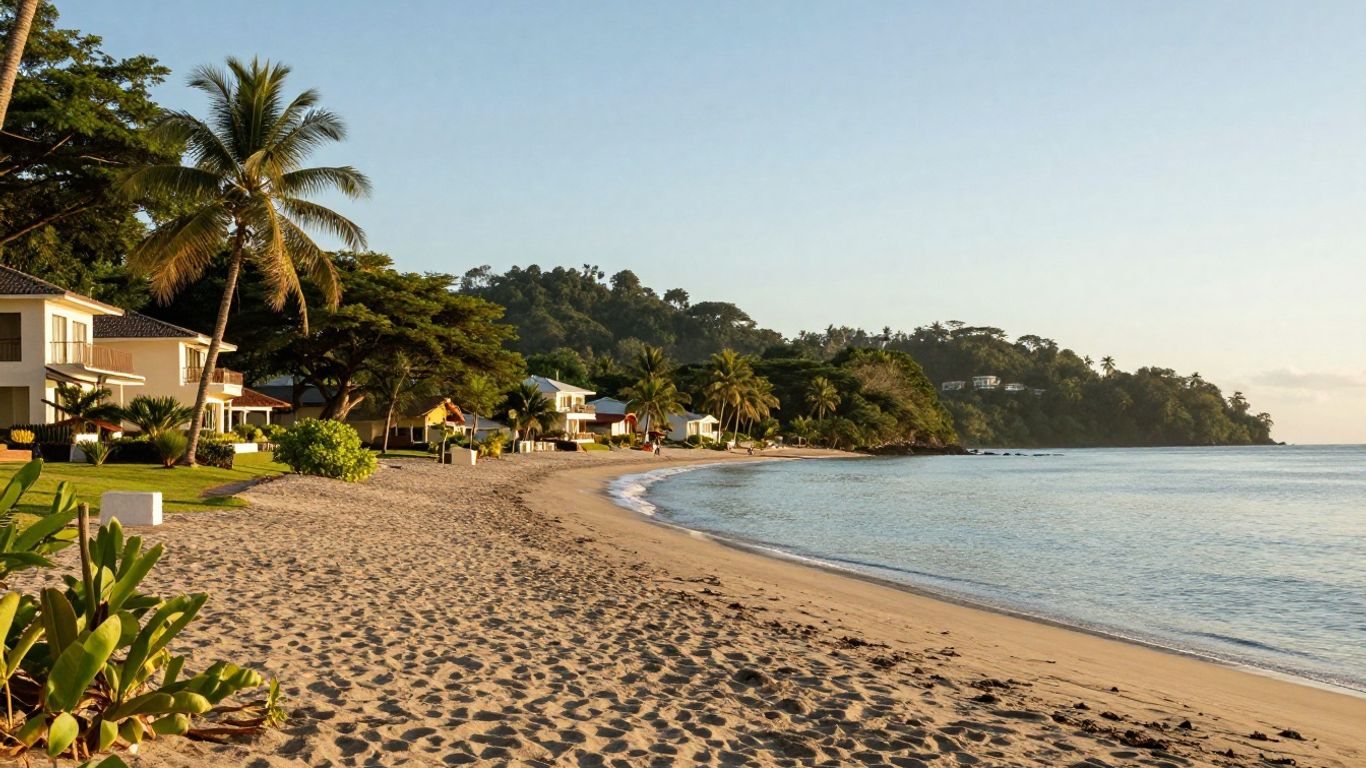
Beachfront residential communities on Brasilito, Costa Rica appeal to buyers who want the Pacific close at hand without giving up the texture of a lived-in coastal village. Brasilito has a relaxed rhythm, local restaurants, small services, and easy access to neighboring beaches. The experience is less about a single resort bubble and more about balancing comfort, nature, and everyday connection.
The community is also changing, which makes careful comparison worthwhile. Newer residences may offer contemporary design and managed amenities, while established homes can provide mature landscaping and a more personal feel. Buyers exploring the area can also read this Brasilito coastal living guide for broader context on lifestyle, retirement, and real estate in Guanacaste.
What makes Brasilito different from nearby beach towns
Brasilito retains an authentic village character while sitting near destinations with more concentrated tourism and luxury infrastructure. That creates a useful middle ground: residents can enjoy a quieter home base and still reach beaches, restaurants, boating, and larger shopping areas by car. The distinction is especially noticeable for buyers comparing Brasilito with Flamingo or Tamarindo, where the pace and built environment may feel more established or active.
The beach itself is central to daily life, but it does not define every property choice. Some residences are directly beside the sand, others sit on elevated land with broader views, and many are close enough for regular walks without carrying the higher costs of true beachfront positioning.
The types of homes and communities available
The local inventory can include condominium residences, gated-community homes, private villas, and lots intended for custom construction. A buyer should compare not only square footage but also the relationship between the home and its surroundings: shared pool or private pool, managed landscaping or owner responsibility, and direct access or a short drive.
For buyers who prefer a contemporary, walkable setting, Arcadia at Brasilito Beach is described as a master-planned community with modern residences, ocean views, direct beach access, and resort-style amenities. Those features suit a particular lifestyle, but they should still be weighed against the privacy and flexibility of a detached villa.
Who typically chooses to live in Brasilito
Brasilito can suit full-time residents, retirees, families, and second-home owners who value a slower coastal routine. It may also appeal to buyers who want access to nature and local culture while remaining within reach of schools, medical services, airports, and neighboring beach towns. The best fit depends on how much driving, maintenance, and seasonal variation a household is comfortable managing.
A full-time resident may prioritize reliable internet, water storage, shade, and practical storage more heavily than a vacation owner. Conversely, a second-home buyer may place greater weight on turnkey furnishings, security, and professional property oversight.
Full-time living, vacation use, and rental potential
A property can serve several purposes over time, but those uses are not interchangeable. Full-time living calls for comfortable kitchens, durable finishes, workspace, and dependable utilities; vacation use often favors outdoor entertaining and simple arrival logistics. Rental potential depends on local demand, seasonality, pricing, operating costs, and the rules of the community rather than on a beach address alone.
Before assuming income, ask how bookings are handled, who responds to guests, and whether owners face restrictions on minimum stays or occupancy. A realistic plan separates personal use from rental availability and includes cleaning, repairs, insurance, taxes, and management in the calculation.
Exploring the main types of residential communities
Residential communities around Brasilito range from amenity-rich developments to independent homes with little shared administration. Each format changes the owner’s responsibilities, sense of privacy, and monthly expenses. It is useful to understand the operating model before becoming attached to a particular floor plan or view.
Community design also affects the feeling of arrival and departure. A gated, managed setting may provide consistency, while a smaller condominium or private villa may offer more individuality. The choice is ultimately a lifestyle decision as much as a real estate one.
Gated communities with shared amenities
Gated communities may provide controlled entry, common landscaping, pools, and shared maintenance. They can be appealing to owners who travel frequently or prefer a coordinated appearance across the neighborhood. The trade-off is a recurring fee and a set of rules governing construction, pets, rentals, parking, and exterior changes.
A careful review should distinguish between ordinary residential security and a larger resort operation. The gated community comparison explains why communities can differ substantially in security, planning, and amenities, even when they share a similar marketing description.
Boutique condominium developments
Boutique condominiums often offer a smaller number of residences, shared facilities, and a more defined architectural identity. They may make ownership simpler by coordinating exterior maintenance, landscaping, and common-area repairs. Buyers should examine the condominium declaration, reserve funds, insurance arrangements, and voting rights before relying on the apparent convenience.
The size of the development matters. A smaller building may feel intimate but have fewer resources for major repairs, while a larger community may spread costs across more owners but create a busier atmosphere.
Private villas and custom-built homes
Private villas provide more control over outdoor space, additions, finishes, and daily privacy. They can also bring more responsibility, including pool care, landscaping, security, roof maintenance, and emergency repairs. Custom construction adds another layer of decisions involving architects, contractors, permits, drainage, and long-term durability in a tropical climate.
The right question is not simply whether a home is independent. Ask whether you want to manage an independent property from abroad, and whether the lot’s access, utilities, title, and building permissions support the plans you have in mind.
Residential options near rather than directly on the beach
Homes a few minutes from Playa Brasilito may offer more land, greater privacy, or a lower entry point than direct beachfront residences. In exchange, buyers need to consider road quality, elevation, walking conditions, parking, and how the route feels after dark or during heavy rain. An ocean view can be compelling, but it may require ongoing vegetation management to remain open.
A short drive is not automatically a disadvantage. For some households, it creates a calmer setting while keeping the beach, restaurants, and community life within easy reach.
Comparing locations, access, and surroundings
Location in Brasilito is measured in more than map distance. The route to the beach, the slope of the land, the quality of the road, and the availability of nearby services all shape daily convenience. Buyers should experience the area at the hours when they expect to use it, not only during a scheduled daytime showing.
Brasilito’s position between other Guanacaste destinations adds flexibility, but it also means transportation planning remains part of coastal life. A property that feels ideal on vacation may work differently for school runs, medical appointments, airport transfers, or grocery shopping.
Walkability to Playa Brasilito and local services
Walkability can mean stepping directly onto the beach, strolling to a restaurant, or simply reaching a few essentials without starting the car. Ask how long the walk takes in heat, whether the route has shade, and whether the final approach involves sand, traffic, or an uneven shoulder. These details often matter more than a brochure’s distance estimate.
Local services may be modest compared with a larger town, so full-time buyers should map their regular errands. A walkable home can still require a vehicle for banking, healthcare, larger grocery trips, and appointments outside Brasilito.
Proximity to Playa Conchal, Flamingo, and Tamarindo
Playa Conchal, Flamingo, and Tamarindo each offer a different extension of the Brasilito lifestyle. Conchal is known for its striking shoreline, Flamingo for its marina and established upscale activity, and Tamarindo for a busier town center and broader visitor economy. Travel times should be tested personally because road conditions, traffic, and seasonal weather alter the experience.
The Brasilito and Flamingo comparison is a useful starting point for thinking about village character, access, property choices, and community feel. It should inform questions during a visit rather than replace one.
Road conditions, airport access, and daily transportation
Reliable access matters for owners, guests, contractors, and emergency services. Confirm the route from the home to major roads, the practical drive to Liberia International Airport, and whether ordinary vehicles can manage the approach during the wet season. Also consider parking and whether rental guests will find the property without difficulty.
Transportation costs can quietly influence ownership. Frequent airport pickups, supply runs, and maintenance visits may make a slightly more central property worthwhile, even when a more remote lot initially appears attractive.
Privacy, views, and exposure to seasonal activity
A home with a broad ocean view may sit above the village, while a beachfront condominium may trade some privacy for immediate access and shared social space. Nearby construction, vegetation, roads, and neighboring lots can affect views over time. Walk the boundaries and ask what may legally be built around the property.
Seasonal activity deserves equal attention. A street that feels peaceful in one month may see more visitors during holidays, while a nearly empty setting may feel isolated during the quieter months.
Evaluating homes, lots, and community amenities
The emotional appeal of a coastal property is real, but a sound purchase begins with how the home performs in heat, humidity, sun, and heavy rain. Look at rooflines, drainage, ventilation, doors, windows, finishes, and the relationship between interior rooms and shaded outdoor areas. A beautiful photograph cannot show maintenance history or construction detail.
Amenities should be assessed as operating systems rather than decorative extras. Pools need care, security requires management, and landscaping depends on water, staffing, and a clear budget. Arcadia at Brasilito Beach Residences describes residences with one-, two-, and three-bedroom floor plans, turnkey finishes, optional furniture packages, direct beach access, and gated security—features buyers can use as a comparison point when reviewing other options.
Floor plans, construction quality, and outdoor living areas
A strong floor plan supports the way people actually live in the tropics. Cross-ventilation, shaded terraces, generous storage, laundry space, and easy movement between the kitchen and outdoor areas may matter more than a formal room that sits unused. Inspect cabinetry, waterproofing, fixtures, window seals, and air-conditioning installation with a qualified professional.
For a lot, review the buildable area, access, slope, drainage, and utility connections before judging its apparent value. The least expensive site can become the most expensive once retaining walls, grading, and service extensions enter the plan.
Pools, security, landscaping, and shared facilities
Shared amenities can make ownership feel effortless, but only when they are maintained consistently. Review cleaning schedules, reserve funds, staffing, access protocols, lighting, landscaping practices, and the process for reporting repairs. Ask to see recent budgets and meeting records where available.
Security should be discussed in practical terms rather than broad promises. Understand who controls entry, how visitors are handled, what happens when a gate or camera fails, and whether the community has an emergency procedure.
Ocean views versus direct beachfront positioning
Ocean-view homes may offer elevation, breezes, wider sightlines, and more separation from beach traffic. Direct beachfront homes provide immediacy and convenience, but they may face stronger exposure to salt, wind, humidity, public access issues, and environmental controls. Neither position is universally better; the distinction lies in the experience and obligations each creates.
Ask how the view was established and whether neighboring construction, landscaping, or public regulations could change it. A view should be evaluated as a legally and physically supported condition, not as a permanent guarantee.
Furnished homes, turnkey properties, and renovation opportunities
Turnkey residences can simplify a move, particularly for international buyers or owners who plan to use the property soon after closing. Renovation opportunities may offer more control and a stronger personal connection, but they require realistic budgets, local supervision, permits, and time. Obtain an inspection before treating cosmetic improvements as the main issue.
A furnishings package should be reviewed item by item. Confirm what is included, its condition, replacement responsibility, and whether appliances, linens, outdoor pieces, and window treatments are part of the sale.
Understanding ownership costs and investment considerations
The purchase price is only one part of the financial picture. Coastal ownership includes transaction expenses, recurring taxes, community charges, insurance, utilities, repairs, and the cost of local oversight. A clear annual budget makes it easier to compare a condominium with a villa or homesite.
Investment potential should be treated as a possibility, not a promise. Demand, supply, infrastructure, seasonality, and property quality all influence future performance, while currency, regulation, and broader economic conditions can change the outcome. A 2026 Brasilito market report may help frame current conversations, but buyers should verify figures independently.
Purchase prices and closing expenses
Comparable prices vary by beachfront position, size, age, finish level, title status, amenities, and view. Ask for recent comparable sales rather than relying only on active listings. Closing expenses may include legal work, registration, taxes, escrow or transfer-related charges, and other professional services, so request a written estimate early.
A purchase budget should also allow for inspections and travel. These costs are small relative to the transaction and can reveal issues that materially affect the decision.
Property taxes, community fees, and ongoing maintenance
Recurring costs differ by property type and management structure. Condominium fees may cover shared landscaping, security, insurance, and reserves, while a private home may require separate contracts for nearly every service. Confirm how fees are calculated, whether increases are expected, and whether any assessments are outstanding.
A useful operating budget usually includes:
- Property tax and required insurance
- Condominium or neighborhood fees
- Pool, landscaping, pest, and cleaning services
- Utilities, internet, repairs, and replacement reserves
This list is deliberately practical. Maintenance in a coastal climate is ongoing, and underestimating it can turn an otherwise comfortable property into a source of avoidable stress.
Vacation rentals, occupancy, and local management
Rental income depends on occupancy, nightly rates, seasonality, reviews, photographs, response times, and the property’s rules. Direct beach access and strong amenities may help a residence compete, but they do not remove the need for professional operations. Ask managers for assumptions, not just gross revenue projections, and request a breakdown of commissions, cleaning, taxes, repairs, and owner use.
If you plan to rent, confirm registration, local requirements, guest policies, parking, noise provisions, and minimum-stay rules. A management agreement should explain who approves repairs, handles emergencies, and reports income.
Resale considerations in Guanacaste’s coastal market
Resale appeal usually rests on enduring qualities: clear ownership, practical access, strong maintenance, useful layouts, reliable utilities, and a community that is well managed. Design matters, but a highly personal renovation may narrow the future buyer pool. Keep records of permits, repairs, furnishings, warranties, and community payments.
Buyers should also consider how much comparable inventory may come to market at the same time. A property can be attractive and still take patience to sell if several similar residences compete for attention.
Reviewing legal, environmental, and infrastructure factors
Due diligence is the part of coastal buying that rewards patience. A property can look simple while involving title, zoning, environmental, access, water, and wastewater questions. These issues should be reviewed before signing an agreement that assumes facts not yet confirmed.
Foreign buyers commonly benefit from professional guidance rather than informal assurances. This guide to buying beachfront property in Costa Rica discusses title, maritime-zone rules, closing costs, taxes, and the general purchase process; an attorney should apply current law to the specific property.
Confirming title, boundaries, and permitted land use
Start with the registered title, owner of record, liens, easements, survey, boundaries, and legal access. Confirm that the house, pool, walls, decks, and other improvements correspond with permits and the authorized use of the land. A survey and independent inspection can identify discrepancies that are difficult to see during a showing.
Do not assume that a long-standing structure is automatically permitted. Ask counsel to explain what can be occupied, renovated, expanded, or rented under the property’s current status.
Maritime zone rules and beachfront setbacks
Coastal land may be affected by Costa Rica’s Maritime Zone Law and related public-use, concession, setback, and construction restrictions. The precise location of the property, the applicable planning instruments, and the nature of the ownership interest all matter. Beachfront language in marketing material is not a substitute for a legal review.
A buyer should receive clear written answers about boundaries, concessions, public access, environmental requirements, and future improvements. These questions are especially important when a home sits close to the shore or depends on a particular view.
Water supply, electricity, internet, and wastewater systems
Ask whether utilities are public, private, shared, metered, or dependent on storage and pumps. Confirm capacity, outages, backup systems, internet options, drainage, septic or treatment arrangements, and the responsibility for maintaining each connection. A property that works well for occasional visits may need upgrades for full-time occupancy.
Infrastructure should be checked at the community level and at the individual residence. A functioning main line does not guarantee that every unit has adequate pressure, wiring, connectivity, or wastewater capacity.
Due diligence with attorneys, inspectors, and local professionals
The buyer’s team should include professionals who are independent enough to identify problems, explain risks, and document assumptions. Legal counsel reviews ownership and permitted use; inspectors assess construction and systems; engineers or utility specialists may be needed for drainage, water, or wastewater questions. Local property managers can add operational insight, but they should not replace independent advice.
Allow time for written reports and follow-up questions. A calm transaction is not one with no questions; it is one in which the important questions are answered before the commitment becomes difficult to change.
Choosing the right beachfront community in Brasilito
Choosing among beachfront residential communities on Brasilito, Costa Rica is an exercise in matching a place to real habits. Think about mornings, maintenance, guests, driving, privacy, and the amount of community life you want around you. The most photogenic option is not always the most comfortable one to own.
A thoughtful shortlist keeps the search focused without making it rigid. Compare the full cost and daily experience of each property, then revisit the details that initially felt secondary. If contemporary beachfront condominium living is the goal, Arcadia at Brasilito Beach presents a documented combination of direct Playa Brasilito access, resort-caliber amenities, and a community setting between Reserva Conchal and Flamingo Marina.
Matching a community to your lifestyle and budget
Begin with non-negotiables: bedroom count, accessibility, beach proximity, outdoor space, security, and tolerance for ongoing management. Then separate lifestyle preferences from financial limits. A private villa may provide more land but demand more oversight, while a managed residence may simplify ownership but carry recurring fees and community rules.
Include a reserve for surprises. Coastal homes need periodic repairs, and international owners should budget for travel, local representation, and replacement of furnishings or equipment.
Assessing security, management, and neighborhood culture
A community’s culture is visible in how residents use shared spaces, communicate about maintenance, and respond to guests. Ask who manages the property, how decisions are made, whether budgets are transparent, and how disputes are handled. Speak with residents when possible, while remembering that one person’s ideal quiet may be another’s lack of activity.
Security is part of that culture, not a standalone feature. Consistent access procedures, lighting, maintenance, and communication often matter more than a headline about a gate.
Visiting properties during different seasons
A second visit during a different season can reveal drainage, road conditions, humidity, heat, vegetation, traffic, and rental activity that a dry-season showing may hide. Visit at morning, midday, evening, and after rain if possible. Listen for nearby activity and observe how long ordinary errands take.
The goal is not to find a perfect season. It is to understand the range of conditions you will own through and decide whether the home remains appealing across them.
Building a practical shortlist before making an offer
Reduce the options to a few properties that satisfy the same basic criteria, then compare them on both measurable and lived factors. A simple matrix can include title status, beach access, utilities, fees, maintenance, privacy, rental rules, and resale appeal. Keep written notes so the emotional impact of a showing does not become the only basis for a decision.
Before making an offer, confirm the due-diligence period, included furnishings, deposit terms, inspection rights, completion obligations, and remedies if a material issue appears. A well-defined process protects the lifestyle you are trying to create.
Conclusion
Brasilito offers a graceful balance of Pacific beauty, village character, and access to Guanacaste’s wider network of beaches and services. Whether you choose a managed beachfront residence, a private villa, or a home just inland, the strongest purchase is one supported by honest budgeting, careful legal review, and a clear understanding of daily life.
Frequently Asked Questions
Is Brasilito a good place for a beachfront home?
Brasilito can suit buyers who want a quieter coastal setting with local character, beach access, and proximity to Conchal, Flamingo, and Tamarindo. The right fit depends on infrastructure, privacy, services, and the property’s legal status.
What kinds of residential properties are available in Brasilito?
Buyers may find beachfront condominiums, gated-community homes, private villas, ocean-view residences, and lots for custom construction. Availability, pricing, and amenities vary, so current listings should be compared carefully.
Is it better to buy directly on the beach or nearby?
Direct beachfront ownership offers immediate access but may involve greater exposure, higher costs, and additional regulatory considerations. Nearby properties can provide more privacy or land while remaining convenient if roads and access are practical.
Can a Brasilito property be used as a vacation rental?
Some properties may work well for vacation rentals, but income depends on demand, seasonality, management, fees, rules, taxes, and operating costs. Confirm community restrictions and local requirements before relying on rental projections.
What costs should buyers budget beyond the purchase price?
Plan for legal and closing expenses, property taxes, insurance, community fees, utilities, maintenance, furnishings, inspections, travel, and professional management. A property-specific annual budget is more useful than a general estimate.
What legal issues deserve special attention near the beach?
Buyers should verify title, boundaries, easements, permitted land use, public access, maritime-zone rules, setbacks, concessions, and construction permits. An independent Costa Rican attorney should review the specific property and documents.
How can buyers compare communities effectively?
Visit more than once, speak with residents and managers, inspect common areas, review budgets and rules, test routes and utilities, and compare total ownership costs. A written shortlist helps balance lifestyle appeal with practical risk.
Updated August 10, 2026